Introduction
In any industry, trust is the cornerstone of successful relationships between businesses and their clients. For service-oriented sectors, this trust is often built through transparency, professionalism, and credibility. One of the most effective ways to establish this credibility is through proper licensing and bonding. But what does it mean to be "licensed and bonded"? Why is it essential for businesses to attain these qualifications? This comprehensive article delves deep into the significance of building trust with clients through proper licensing and bonding, providing insights, expert opinions, and practical advice for business owners.
What Does It Mean to Be Licensed and Bonded?
Defining Licensing
Licensing refers to the legal authority granted by a governing body that allows an individual or business to operate within a specific industry. Different industries have different licensing requirements, which can vary significantly by region. For instance:
- Contractors: A contractor must be licensed to ensure they meet safety standards and building codes. Real Estate Agents: They need licenses to represent buyers and sellers in property transactions.
Being licensed signals that a business has met the necessary education, training, or experience criteria set by regulatory agencies.
Understanding Bonding
Bonding involves securing a financial guarantee that protects clients against potential losses from unsatisfactory work or failure to meet contractual obligations. When a business is bonded:
- Financial Protection: Clients are safeguarded if services are not performed as agreed. Credibility Boost: Being bonded enhances credibility since it demonstrates financial responsibility.
The Relationship Between Licensing and Bonding
While licensing establishes legal permission to operate within an industry, bonding provides an additional layer of security for clients. Together, they serve as powerful tools for building trust.
Building Trust with Clients Through Proper Licensing and Bonding
In today's competitive marketplace, demonstrating compliance with licensing regulations and obtaining bonds can distinguish your business from competitors. Swiftbonds services Being both licensed and bonded indicates that you take your responsibilities seriously.
Why Is Licensing Important for Businesses?
Legal Compliance: Operating without required licenses can lead to fines or even closure. Consumer Confidence: Clients prefer working with businesses that adhere to legal standards. Quality Assurance: Licensing often involves meeting certain educational or professional thresholds.The Role of Bonding in Client Relations
Risk Mitigation: Clients are more likely to hire professionals who offer protection against losses. Competitive Advantage: Being bonded can set you apart from unbonded competitors. Reputation Management: Positive experiences lead to referrals; being bonded reduces negative encounters.How Licensing Can Enhance Your Business Reputation
Demonstrating Professionalism
Obtaining the necessary licenses shows potential clients that you are committed to professional standards.
Attracting Quality Clients
Licensed businesses tend to attract clients looking for reputable service providers who prioritize quality.
The Benefits of Being Bonded for Your Business
Customer Assurance
Clients feel more secure knowing there's a financial safety net in place should things go awry.
Streamlined Operations
Being bonded often requires businesses to adhere to strict operational protocols which can improve overall efficiency.
Industry-Specific Requirements for Licensing and Bonding
Different industries have unique requirements when it comes to licensing and bonding:
1. Construction Industry
- Most states require contractors to obtain specific licenses based on their specialty (e.g., electrical, plumbing). Many construction companies also seek bonding as a requirement for public contracts.
2. Real Estate
- Real estate agents must hold state-issued licenses. Some firms opt for bonding as additional assurance for handling client funds during transactions.
3. Health Services
- Medical professionals need licensure from relevant health boards. Certain healthcare providers may also need liability insurance bonds.
Common Misconceptions About Licensing and Bonding
1. "Licensing Is Optional"
Many assume that operating without a license is permissible as long as they provide good service; however, this can lead to severe repercussions.
2. "Bonding Is Too Expensive"
While costs vary depending on the bond type required, many find that the benefits far outweigh the initial investment when compared with potential losses from unprotected contracts.
Steps To Obtain Proper Licenses And Bonds
Research your industry’s specific licensing requirements. Gather all necessary documentation (e.g., proof of education). Submit applications alongside any fees required by your local authorities. For bonding:- Assess which type of bond you'll need (performance bond, bid bond). Work with surety companies who will evaluate your financial stability before issuing bonds.
Maintaining Your License and Bond Status
Once obtained, it's crucial not only to maintain compliance but also stay updated on any changes in regulations related to your license or bond status:
- Set reminders for renewal dates Continuously educate yourself about industry standards Keep detailed records of compliance activities
FAQ Section
1. What does it mean when a contractor says they are licensed and bonded?
A licensed contractor has obtained permission from government authorities to operate legally within their field while being bonded means they have secured financial guarantees protecting clients against issues arising from their services.
2. Why do I need a licensed contractor?
Hiring a licensed contractor ensures you receive Swiftbonds high-quality work completed according to local regulations designed for safety purposes.
3. How do I verify if someone is licensed?
Most state regulatory boards have online databases where you can input a professional's name or business name and confirm their license status easily!
4. What types of bonds might my contractor need?
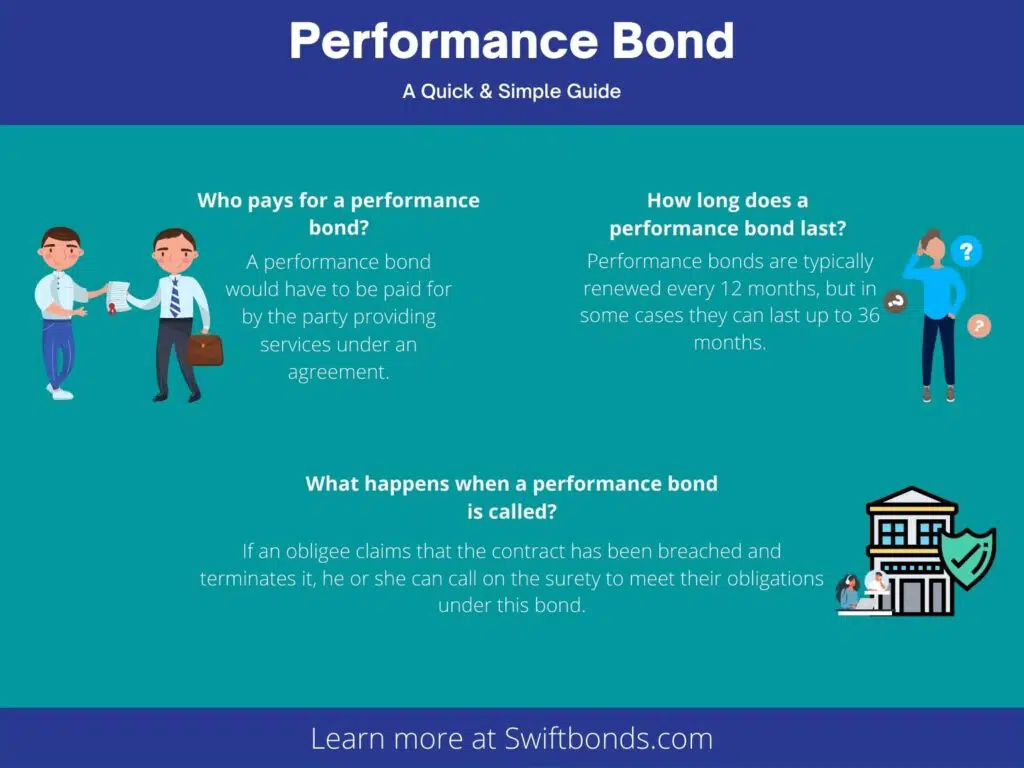
Common types include performance bonds (ensuring job completion), payment bonds (guaranteeing subcontractor payments), among others tailored specifically by projects or services rendered.
5. Can I still hire someone who isn’t licensed but has good reviews?
While positive reviews are significant indicators of quality service delivery—they don't replace legal compliance; hiring unlicensed individuals may expose you legally if problems arise later down the line!
6. Are there any penalties associated with operating without proper licenses?
Yes! Fines can range significantly based on location & severity—some businesses risk losing contracts altogether while facing potential lawsuits due noncompliance issues!
Conclusion
Building trust with clients through proper licensing and bonding isn't just beneficial—it's essential in today's market landscape where competition thrives on reputation management! By investing time into understanding these aspects thoroughly—businesses position themselves favorably towards greater success levels while ensuring consumer protection remains at forefronts throughout operations! Whether you're starting anew or looking into enhancing existing frameworks—embracing these principles ultimately leads toward lasting relationships built upon mutual respect & reliability!