Introduction
In the world of construction and contracting, performance bonds serve as essential tools that provide financial security and assurance. When a project is at stake, both clients and contractors seek guarantees that work will be completed as promised. Thus, understanding how to prepare for the underwriting process for a performance bond becomes crucial. This article delves into the nuances of performance bond insurance, outlining effective strategies and tips to ensure a smooth underwriting experience.
What is a Performance Bond?
Understanding Performance Bonds in Depth
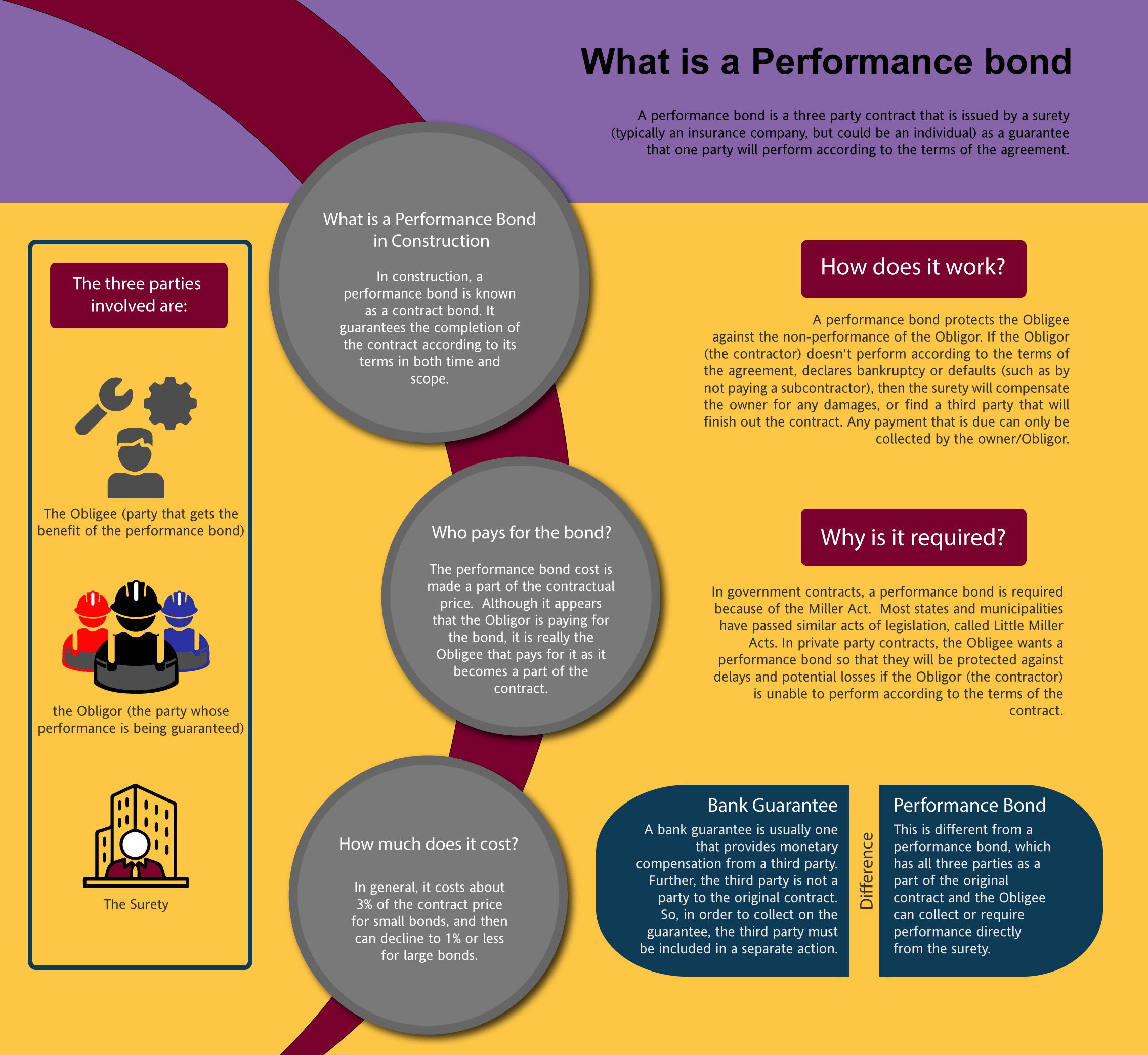
A performance bond is a surety bond issued by an insurance company or a bank to guarantee satisfactory completion of a project by a contractor. Essentially, it acts as a safety net for project owners against potential losses stemming from contractor default. This financial instrument ensures that if a contractor fails to fulfill their obligations, the surety company will compensate the project owner.
Key Components of Performance Bond Insurance
Performance bond insurance includes several critical components:
- Principal: The contractor who obtains the bond. Obligee: The party requiring the bond, typically the project owner. Surety: The entity that issues the bond and guarantees performance.
How Does Underwriting Work in Performance Bonds?
Overview of the Underwriting Process
The underwriting process for performance bonds involves evaluating risk and determining whether to issue the bond. Underwriters assess various factors such as financial stability, experience in similar projects, creditworthiness, and overall reputation within the industry.
What Do Underwriters Look For?
Underwriters employ specific criteria when assessing applicants:
Financial Statements: Audited statements can reveal profitability and liquidity. Project History: Previous projects completed on time and within budget enhance credibility. Experience Level: A seasoned contractor may have an edge over less experienced competitors.Preparing Financial Documents for Underwriting
Essential Financial Statements Required
When preparing for the underwriting process for a performance bond, having accurate financial documents is non-negotiable. These typically include:
- Balance sheets Income statements Cash flow statements
Providing up-to-date documents helps assure underwriters of your company's financial health.
Importance of Clear Documentation
Clear documentation not only streamlines the underwriting process but also creates trust between you and your surety provider. Inconsistencies or missing information can lead to delays or even denial of coverage.
Gaining Insight: Pre-Underwriting Checklist
Creating Your Pre-Underwriting Checklist
A comprehensive checklist can simplify preparation significantly. Consider including:
Financial Statements (last three years) Tax Returns (last three years) Resumes of Key Personnel Project ReferencesThis list serves as your roadmap in ensuring all necessary documents are compiled before initiating contact with underwriters.
Evaluating Project Risk Factors
Understanding risk factors associated with your projects helps you present them effectively during underwriting discussions. Factors include:
- Project size Complexity Historical success rates
Addressing these upfront can bolster your case for securing performance bond insurance.
The Role of Personal Credit History in Underwriting
Why Personal Credit Matters
While business credit history generally takes precedence during underwriting, personal credit scores may play an essential role—especially for smaller businesses or sole proprietorships where personal guarantees come into play.
Tips to Improve Your Credit Score Before Applying
If you're concerned about your credit score potentially affecting your ability to secure performance bonds, consider these actions:
- Pay down existing debts. Ensure timely payments on bills. Regularly review credit reports for discrepancies.
Understanding Surety Companies: Choosing Wisely
Types of Surety Companies Available
When selecting a surety provider, it's vital to understand the types available:
Direct Writers: Insurance companies that write bonds directly. Brokers: Professionals who connect clients with various sureties based on individual needs.Factors to Consider When Choosing Your Surety Provider
Deciding on a surety company requires consideration of multiple factors:
- Reputation: Researching reviews can give insight into reliability. Specialization: Some companies specialize in niche markets; aligning this with your business type enhances compatibility.
Building Relationships with Sureties
Importance of Establishing Good Rapport
Establishing strong relationships with surety providers can ease future underwriting processes significantly. A good track record fosters trust, making it easier to secure bonds later down the line—even without extensive documentation each time.
Networking Strategies
To build rapport effectively:
Attend industry events. Engage through social media platforms like LinkedIn. Schedule informal meetings over coffee or lunch sessions.The Application Process: Step-by-Step Guide
Navigating Your Application Submission
Submitting an application may seem daunting; however, breaking it down into steps makes it manageable:
Compile required documents from your pre-underwriting checklist. Complete any application forms provided by your chosen surety company. Submit everything through designated channels (usually via email or an online portal).Follow-Up Procedures
After submission, following up shows diligence and interest while also providing an opportunity to address any potential issues right away—keeping you ahead in securing that all-important performance bond insurance!
Common Mistakes During Underwriting Preparation
Identifying Common Pitfalls
Awareness is key! Here are some mistakes frequently made during preparation:
Incomplete Documentation: Always double-check that everything requested is included before submission. Ignoring Deadlines: Timeliness reflects professionalism; keep tabs on submission dates!By avoiding these common errors, you set yourself up for success in obtaining necessary coverage swiftly!
How to Communicate Effectively with Underwriters
Best Practices for Communication
Effective communication plays an integral role in successful underwriting outcomes:
Be Transparent: Honesty about project risks establishes credibility. Provide Context: When submitting documents like financial statements provide explanations where necessary—especially if there are any anomalies worth noting!Post-Unloading Strategies After Securing Bonds
Maintaining Good Standing Throughout Projects
Once secured, keeping up good standing requires ongoing diligence:
1) Regular Reporting: Keep underwriters updated about significant changes affecting projects or finances!
2) Address Issues Promptly: If challenges arise during execution phases—communicate immediately!
By maintaining transparency throughout project lifecycles strengthens relationships while supporting future bonding opportunities too!
Conclusion
Navigating through the underwriting process for a performance bond doesn’t have to be overwhelming if approached methodically! By understanding what underwriters look at closely alongside preparing comprehensive documentation accurately reflects professionalism—ultimately paving pathways toward successful bonding experiences! Remember always—the key lies not just solely within numbers rather relationships built firmly upon trust & communication over time!
Frequently Asked Questions (FAQs)
What’s the primary purpose of a performance bond?
The primary purpose is to protect project owners against losses incurred if contractors fail to meet their contractual obligations.
How long does it take to secure a performance bond?
Typically ranging from days up until weeks depending upon how quickly applicants submit required documentation along with responsiveness from involved parties throughout processing stages!
Can I obtain multiple performance bonds simultaneously?
Yes! Many contractors apply successfully across numerous projects concurrently as long as they maintain adequate capacity levels financially speaking!
Is personal credit important for larger businesses?
While business credit primarily drives decisions regarding larger firms—personal guarantees could still factor importantly especially when smaller entities enter new markets unproven historically speaking!
What happens if I default on my contractual obligations?
In such cases where defaults occur—the surety will step in Swiftbonds services overview providing compensation according previously agreed terms ensuring stakeholders remain protected amidst disruptions experienced directly related arising circumstances encountered therein!
This article has provided thorough insights into preparing effectively while navigating through complexities surrounding obtaining necessary coverage needed via engaging confidently within umbrella known commonly referred towards ‘performance bond insurance.’ Remember always—it’s not merely about getting covered; rather establishing solid foundations fostering lasting relationships beneficially benefiting everyone involved across all sides alike!