Introduction
In the intricate world of finance and investments, decisions must be made with care and foresight. One such decision that often plagues investors and construction professionals alike is whether to renew bonds annually. Bonds can serve as a vital tool for both funding and risk management, especially in sectors like construction where bonding insurance plays an essential role. This article will delve into the key considerations surrounding this topic, equipping you with insights that can guide your decision-making process.
As you navigate through this comprehensive guide, you'll discover various aspects related to bond renewal, including its impact surety bond rates on cash flow, risk management strategies, and the implications for construction projects. So, let's dive into the nitty-gritty of bonding insurance in construction and explore whether renewing your bonds annually is the right move for you.
Understanding Bonds in Construction
What Are Bonds?
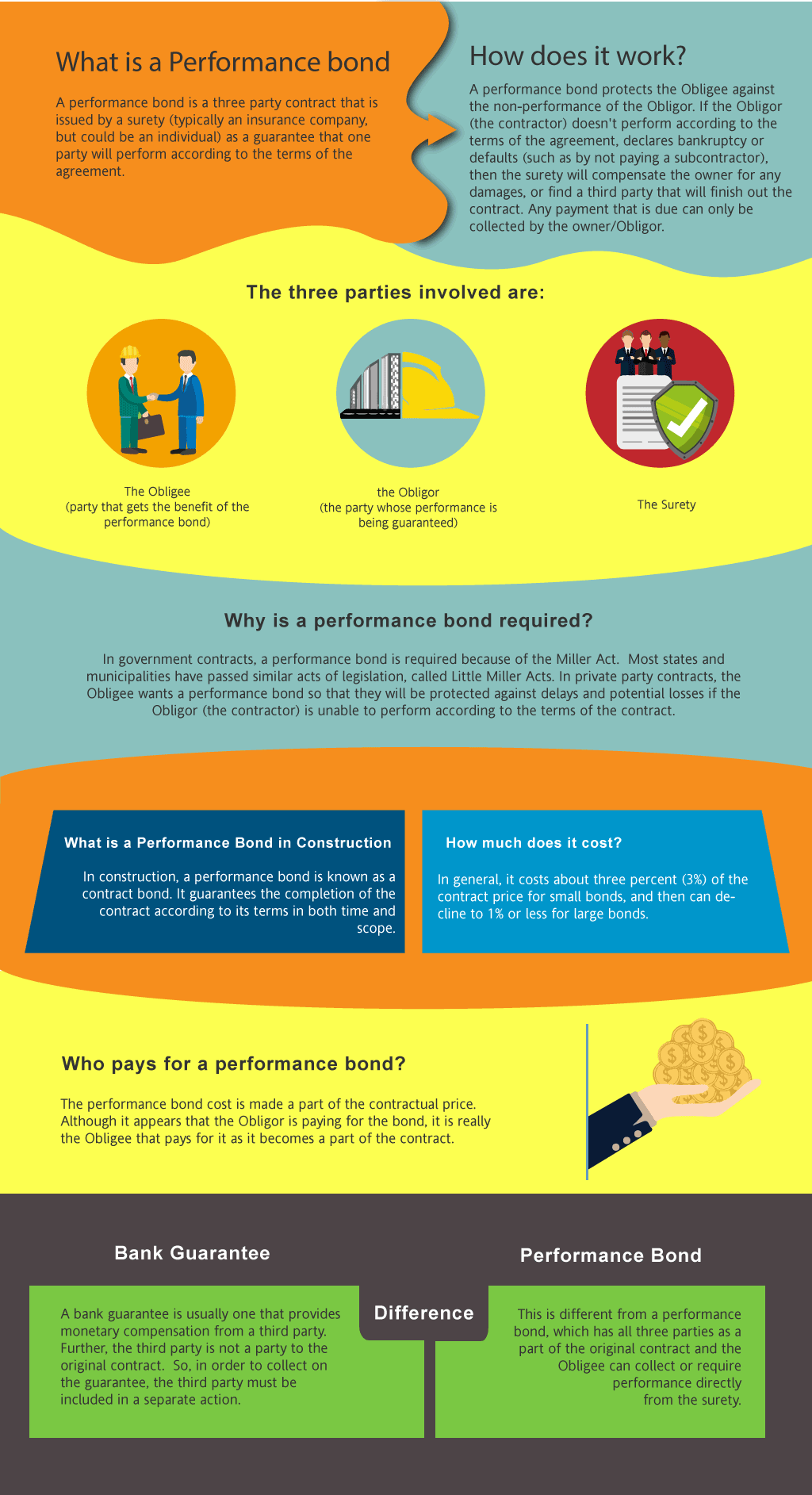
Bonds are formal contracts that guarantee obligations will be met. In construction, these bonds serve as a safety net for project owners, ensuring that contractors fulfill their duties.
Types of Bonds
Performance Bonds: Guarantee that a contractor will complete a project according to contractual terms. Payment Bonds: Ensure subcontractors and suppliers are paid. Bid Bonds: Provide assurance that a bidder will enter into a contract if awarded.Why Are Bonds Important in Construction?
Bonds protect project owners from financial loss due to contractor default. They also enhance trust among parties involved.
Should You Renew Your Bonds Annually? Key Considerations
When it comes to renewing your bonds annually, several factors come into play. Each has its own nuances that can significantly affect your business operations.
Assessing Financial Health
Before deciding whether to renew your bonds, it's crucial to evaluate your financial situation.
- Cash Flow Analysis: Examine your current cash flow status. Debt Obligations: Consider existing debts and how they may affect future bonding capacity.
Market Conditions
Market trends can influence the necessity of renewing bonds:
- Interest Rates: Higher rates may lead to increased costs for bond premiums. Economic Climate: A stable economy might encourage bond renewal while a volatile one may deter it.
The Cost of Bond Renewal
Premiums Explained
Bond premiums can vary based on multiple factors including:
- Project size Contractor experience Creditworthiness
Budgeting for Bonding Insurance
Establishing a budget for bonding insurance is essential:
| Factor | Estimated Cost | |---------------------------------|---------------------| | Performance Bond | $X per $1000 | | Payment Bond | $Y per $1000 | | Bid Bond | $Z per $1000 |
Risk Management Strategies
Importance of Risk Assessment
Risk assessment should guide your decision on bond renewal:
- Identify potential risks associated with not renewing. Determine risk tolerance levels based on past experiences.
Mitigating Risks with Renewals
Renewing bonds annually can mitigate risks by:
Ensuring ongoing coverage Building credibility with clients Allowing flexibility in project managementThe Role of Credit Ratings
How Credit Ratings Affect Bonding
Your credit rating serves as a barometer for bonding agencies:
- A higher credit score may lead to lower premiums. Poor credit can result in denial or higher costs.
Improving Your Credit Rating
Strategies to improve credit ratings include:
- Paying bills on time Reducing outstanding debt Regularly monitoring credit reports
Legal Obligations and Compliance
Regulatory Requirements for Contractors
Understanding legal obligations is paramount when considering bond renewals:
- Familiarize yourself with state regulations regarding bonding. Ensure compliance with federal requirements if applicable.
Consequences of Non-Renewal
Failing to renew bonds can have severe repercussions such as:
Client Relationships and Trust
Building Trust Through Compliance
Maintaining active bonds demonstrates reliability and commitment to clients:
- Clients are more likely to trust bonded contractors.
The Value of Reputation in Construction
A solid reputation can significantly impact future business opportunities:
Repeat clients Referrals Competitive advantageEvaluating Project Scope Changes
How Project Changes Impact Bonding Needs
Changes in project scope may necessitate bond renewal considerations:
- Larger projects often require increased bonding capacity.
Adjustments Based on Project Size
Evaluate how scaling up or down affects bonding requirements by assessing risks involved.
The Future of Construction Bonds
Emerging Trends in Bonding Insurance
Keeping an eye on industry trends helps inform long-term strategies:
Increased use of technology More flexible bonding options Enhanced underwriting processesFAQs About Bond Renewal
FAQ 1: What happens if I don’t renew my bond?
Not renewing could lead to losing client contracts or facing legal consequences due to non-compliance.
FAQ 2: How much does it cost to renew a bond?
Costs vary widely but generally depend on the type of bond and financial conditions; expect costs ranging from X% - Y%.
FAQ 3: Can I negotiate my bond premium?
Yes! If you have improved financial health or have completed successful projects, you may negotiate better terms.
FAQ 4: Are there any tax benefits associated with bonding?
Yes! You might be able to deduct certain costs related to bonding premiums as business expenses.
FAQ 5: How do I find a reputable bonding company?
Research online reviews, seek referrals from trusted colleagues, or consult industry associations for recommendations.
FAQ 6: When should I start considering renewal?
Start evaluating at least 60 days before your current bond expires; this allows ample time for any adjustments needed.
Conclusion
Deciding whether or not to renew your bonds annually involves numerous considerations ranging from financial evaluations and market conditions to risk assessments and legal obligations. In construction specifically, where bonding insurance plays an integral role in ensuring smooth operations and maintaining client trust, every choice counts significantly towards long-term success.
Ultimately, if you're weighing the question "Should you renew your bonds annually?" remember that staying informed about market fluctuations, understanding your financial position, fostering strong relationships within the industry, and remaining compliant with laws will aid you tremendously in making this decision wisely.
With all these factors considered thoroughly—think critically about what suits your unique circumstances best—and make choices that align closely with both current needs and future aspirations within the realm of construction projects!