In today's competitive market, selecting the right contractor for your project can be daunting. Whether you’re planning a home renovation, commercial construction, or any other type of project requiring professional skills, conducting thorough due diligence is paramount. This article delves into the significance of due diligence when selecting a contractor and highlights essential steps to ensure that you're making the best choice for your needs.
Understanding Due Diligence in Contracting
What is Due Diligence?
Due diligence refers to the process of investigating and evaluating a contractor’s qualifications, reliability, and overall reputation before entering into a contractual agreement. It involves verifying that the contractors are licensed, bonded, and insured, which protects you from potential liabilities.
Why is Due Diligence Important?
Conducting due diligence helps performance bonds mitigate risks associated with hiring unqualified or unscrupulous contractors. It provides peace of mind knowing that you’re working with professionals who adhere to industry standards and regulations.
The Importance of Due Diligence When Selecting a Contractor
When embarking on any construction-related project, the importance of due diligence cannot be overstated. A poor choice can lead to subpar work, costly delays, or even legal troubles. By taking the time to research potential contractors thoroughly, you can safeguard your investment and ensure that your project meets expectations.
Protecting Your Investment
By selecting licensed, bonded, and insured contractors through diligent research, you protect yourself against financial losses resulting from accidents or poor workmanship. Should issues arise during or after the project’s completion, having reputable professionals can minimize financial impacts.
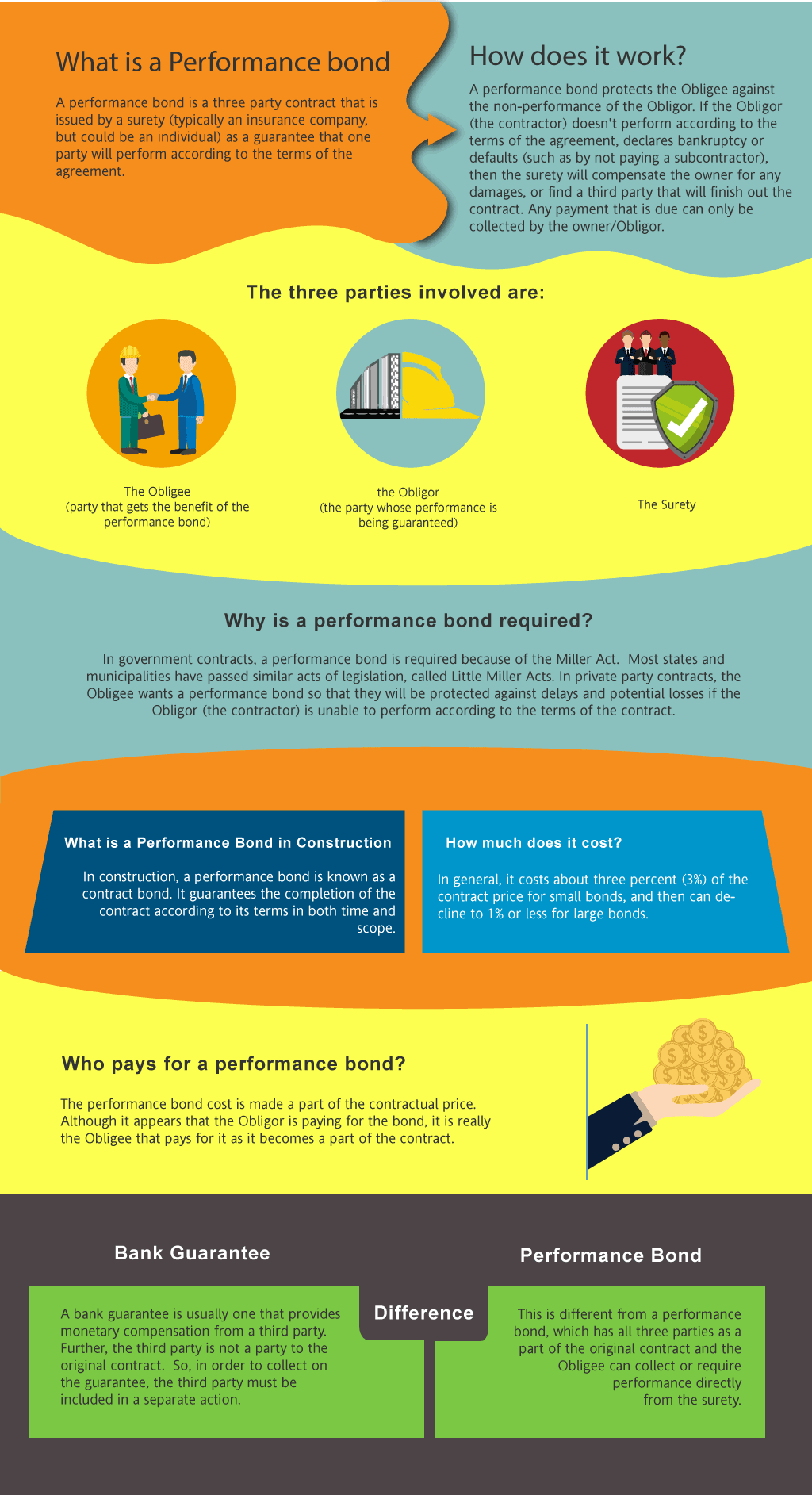
Key Steps in Conducting Due Diligence
1. Research Contractors’ Credentials
Before you even think about hiring someone for your project, it’s crucial to check their credentials. Look for:
- Licensing: Ensure they possess valid licenses required by your state or locality. Bonding: A surety bond can provide financial protection should the contractor fail to fulfill obligations. Insurance: Verify that they carry liability insurance to cover potential damages.
2. Check References and Reviews
Ask for references from previous clients and take the time to read performance bond explanation reviews on various platforms like Yelp or Google Reviews. This will give you insights into their past performance and client satisfaction levels.
3. Interview Potential Contractors
Don’t hesitate to interview potential candidates. Ask questions such as:
- How many projects similar to mine have you completed? Can you provide proof of your licensing and insurance? What is your expected timeline for completion?
4. Request Detailed Estimates
A detailed estimate should outline costs associated with labor, materials, timelines, and payment schedules. Compare estimates from different contractors but remember that the lowest bid isn’t always the best option.
What Makes a Contractor Reliable?
5. Experience Matters
Experienced contractors tend to have more extensive knowledge about potential challenges related to specific projects. They are often better equipped to handle unexpected issues effectively.
6. Strong Communication Skills
Good communication is critical throughout a project's lifecycle. Make sure that your contractor is approachable and responsive during initial discussions.
Contractor Types: Which One Is Right for You?
7. General Contractors vs Specialty Contractors
Understanding the difference between general contractors (GCs) who manage entire projects and specialty contractors who focus on specific tasks (like plumbing or electrical work) can help you choose wisely based on your project needs.
8. Licensed Bonded and Insured Contractors: What You Need to Know
Working with licensed bonded and insured contractors offers several advantages:
- Legal Protection: Licensing ensures adherence to local laws. Financial Security: Bonding protects against financial loss if work isn’t completed satisfactorily. Liability Coverage: Insurance provides coverage in case of accidents on-site.
Common Mistakes When Selecting a Contractor
9. Ignoring Online Reviews
Many people overlook online reviews but fail to realize how beneficial they can be in gauging a contractor's reputation.
10. Rushing the Selection Process
Taking shortcuts in due diligence often leads to regrettable choices later on.
FAQs About Contractor Selection
Q1: How do I verify if a contractor is licensed?
You can typically verify licensing through your state’s licensing board website where they maintain records of all licensed contractors.
Q2: Why should I hire licensed bonded and insured contractors?
Hiring such professionals ensures compliance with local laws while also protecting you financially in case things go wrong during construction.
Q3: What should I do if my contractor fails to complete the job?
If faced with this issue, first attempt direct communication; if unresolved, review contracts for termination clauses or consider legal action if necessary.
Q4: Are there benefits in hiring local contractors?
Yes! Local contractors often understand regional building codes better than those from out-of-town plus they're easier to reach for follow-up services or inspections post-completion.
Q5: How important are warranties offered by contractors?
Warranties serve as assurance regarding workmanship quality; it’s wise not only to ask about them but also read terms carefully before signing any contract!
Q6: What is an acceptable timeline for completing projects?
Timelines vary significantly based on scope but generally speaking most moderate-sized renovations take anywhere from several weeks up until months depending upon complexity involved - don’t hesitate asking each prospective bidder what theirs typically look like!
Conclusion: Making an Informed Decision
In conclusion, understanding The Importance of Due Diligence When Selecting a Contractor cannot be understated! By meticulously evaluating potential candidates through research into their credentials alongside checking reviews while ensuring communications remain open throughout negotiations will greatly enhance chances at securing quality outcomes ahead! Remember – investing time upfront translates directly towards avoiding headaches down road when executing plans laid forth; so don’t skimp out here folks!
Choosing wisely will save time money & frustration ultimately yielding satisfaction once all said done - happy building!
This guide serves as an invaluable resource when navigating through options available within contracting realm; now go forth confidently armed knowledge gained here today—good luck!