Introduction
Contracting insurance is an essential component in the construction and contracting industries, providing a safety net for both contractors and clients. Yet, despite its importance, many myths surround contracting insurance that can lead to confusion and misinformation. In this comprehensive guide, we will unpack these myths to help you understand what contracting insurance truly entails and why it’s crucial for insured and bonded contractors.
What is Contracting Insurance?
Understanding Contracting Insurance
Contracting insurance refers to a range of insurance policies designed to protect contractors from various risks associated with their work. This type of insurance often includes general liability insurance, workers' compensation, professional liability, and other specialized coverages tailored for the construction industry.
Types of Contracting Insurance Policies
- General Liability Insurance: Protects against claims of bodily injury or property damage. Workers' Compensation Insurance: Covers medical expenses and lost wages for employees injured on the job. Professional Liability Insurance: Offers protection against claims of negligence or errors in professional services. Commercial Auto Insurance: Covers vehicles used for business purposes. Builder's Risk Insurance: Provides coverage during the construction phase against damage to buildings under construction.
Why Do Contractors Need Insurance?
Protecting Against Financial Losses
One of the primary reasons contractors need insurance is to protect themselves against financial losses. A single claim can lead to significant out-of-pocket expenses, potentially jeopardizing a contractor's future projects and business viability.
Legal Requirements
improving performanceIn many states, having certain types of insurance is legally required. For instance, workers' compensation is mandatory in most jurisdictions if performance you have employees. Failure to comply can result in severe penalties.
Enhancing Credibility
Being an insured and bonded contractor enhances credibility with potential clients. It signals professionalism and a commitment to safeguarding both your work and your clients’ interests.
Unpacking the Myths Surrounding Contracting Insurance
Myth 1: All Contractors Have the Same Coverage
Fact: Not all contracting businesses are alike; thus, their insurance needs differ significantly. Some may require specialized policies while others may only need basic general liability coverage. It’s crucial for contractors to assess their unique risks and choose appropriate coverage accordingly.
Myth 2: If You're Insured, You Don’t Need Additional Protection
Fact: While being insured offers a layer of protection, it does not eliminate all risks. Additional protections such as contracts specifying responsibilities can further safeguard your interests.
Myth 3: Insurance Is Too Expensive for Small Contractors
Fact: While some policies may seem costly upfront, they can save small contractors from potentially devastating financial consequences down the line. Moreover, many insurers offer tailored plans that cater specifically to small businesses at affordable rates.
Myth 4: Contractors Are Always Covered Under Their Clients' Policies
Fact: Just because a client holds an insurance policy doesn’t mean that it extends coverage to subcontractors or independent contractors working on a project. Insured and bonded contractors should secure their own policies.
The Importance of Being Insured and Bonded
What Does It Mean to Be Insured?
Being insured means that a contractor has purchased an insurance policy that provides financial protection against specific risks associated with their business operations.
What Does It Mean to Be Bonded?
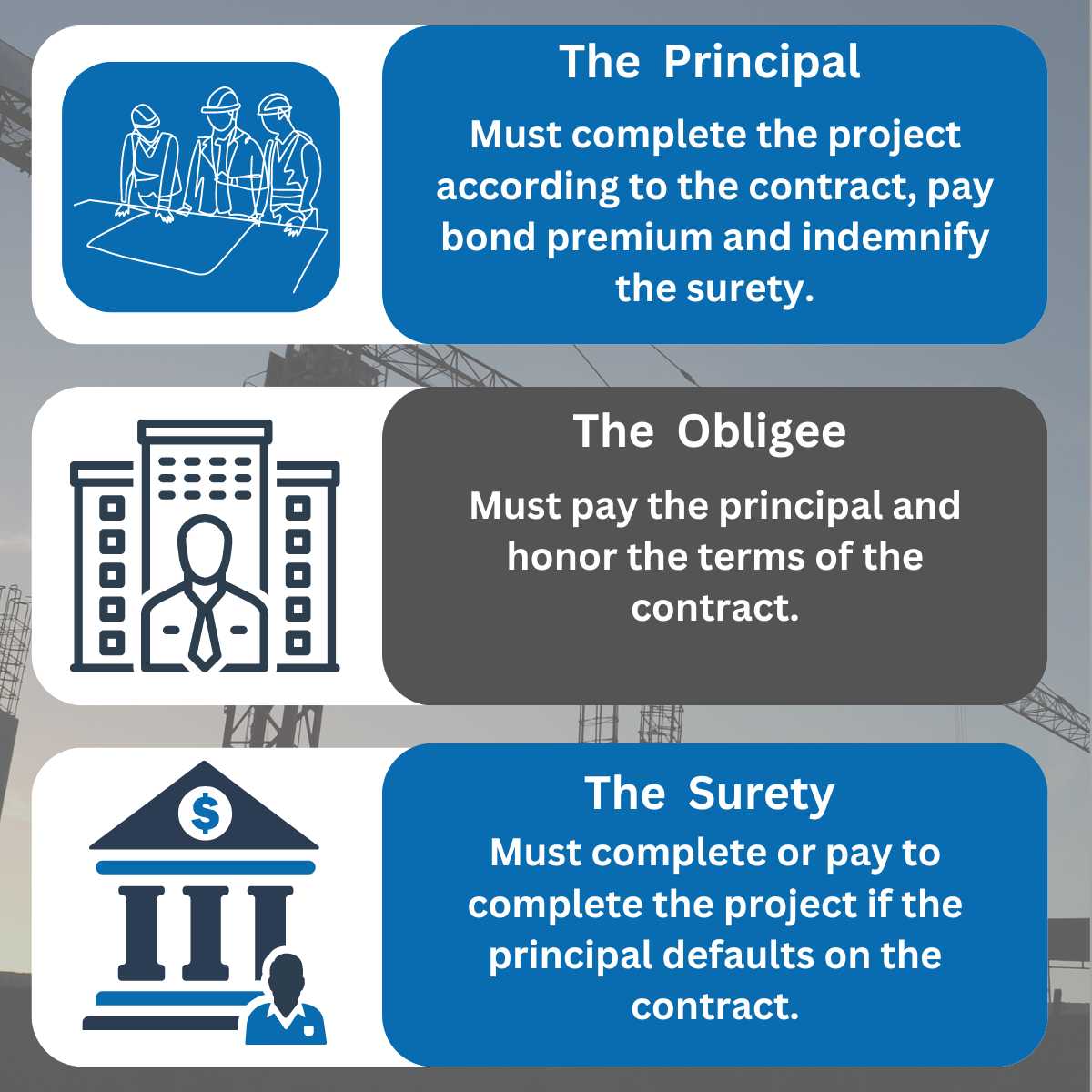
When a contractor is bonded, it signifies that they have secured a surety bond—a form of guarantee that they will complete the job according to contractual obligations. This protects clients from financial loss if the contractor fails to fulfill their duties.
Why Both Are Essential for Contractors
Having both insurance coverage and bonding demonstrates professionalism and reliability. Clients feel more secure knowing they are working with an insured and bonded contractor who has taken steps to mitigate risks associated with construction projects.
Common Misconceptions About Contracting Insurance
Misconception 1: Claims Will Automatically Be Approved
Reality Check: The process of filing an insurance claim involves thorough documentation and investigation by the insurer. Approval isn’t guaranteed simply because you’ve filed a claim; supporting evidence is crucial for approval.
Misconception 2: Workers’ Compensation Is Optional
Reality Check: For most businesses with employees, workers' compensation is not optional but rather a legal requirement in many states. Failing to comply can lead to hefty fines or even closure of your business.
How To Choose The Right Contractor’s Insurance
Assess Your Business Needs
Before selecting an insurance policy, conduct a comprehensive assessment of your business operations. Identify potential risks based on your work environment, employee count, project types, etc., which will guide you toward suitable coverage options.
Consult With Professionals
Engaging with an experienced insurance broker who specializes in contracting can provide insights into navigating options best suited for your business model.
Cost Factors Influencing Contracting Insurance Premiums
Type of Work Performed
Certain types of work carry higher risk levels than others; hence premiums may vary accordingly—higher-risk jobs generally incur higher costs due to increased chances of claims being filed against them.
Contractor Experience
Insured and bonded contractors with extensive experience often enjoy lower premiums due primarily due lower perceived risk compared newcomers lacking track records within the industry.
FAQs About Contracting Insurance
Is contracting insurance necessary?- Yes! It protects against various liabilities you may face while executing contracts.
- It covers bodily injuries or damages caused by your business operations or premises.
- Costs vary widely based on factors like location, type of work performed & claim history.
- Yes! Though prior claims might affect your premiums; insurers do consider individual cases.
- Generally not; one policy can cover multiple projects unless specified otherwise by contract terms.
- Review denial reasons carefully—consider appealing through proper channels outlined by insurer guidelines before seeking legal counsel if needed.
Conclusion
Unpacking the myths surrounding contracting insurance reveals how vital it is for professionals in this field—whether you're just starting out or have years behind you as an insured and bonded contractor! By understanding what types exist alongside common misconceptions about coverage requirements & costs involved therein could save countless headaches down life’s road ahead!
In summary:
- Always evaluate personal needs when selecting policies; Work proactively towards enhancing credibility through securing necessary protections; And remember—the right information dissolves fear stemming from uncertainties related directly towards insuring one’s livelihood within today’s competitive marketplace!